

Sony Got the X Button Right. The Rest of the World Decided Otherwise
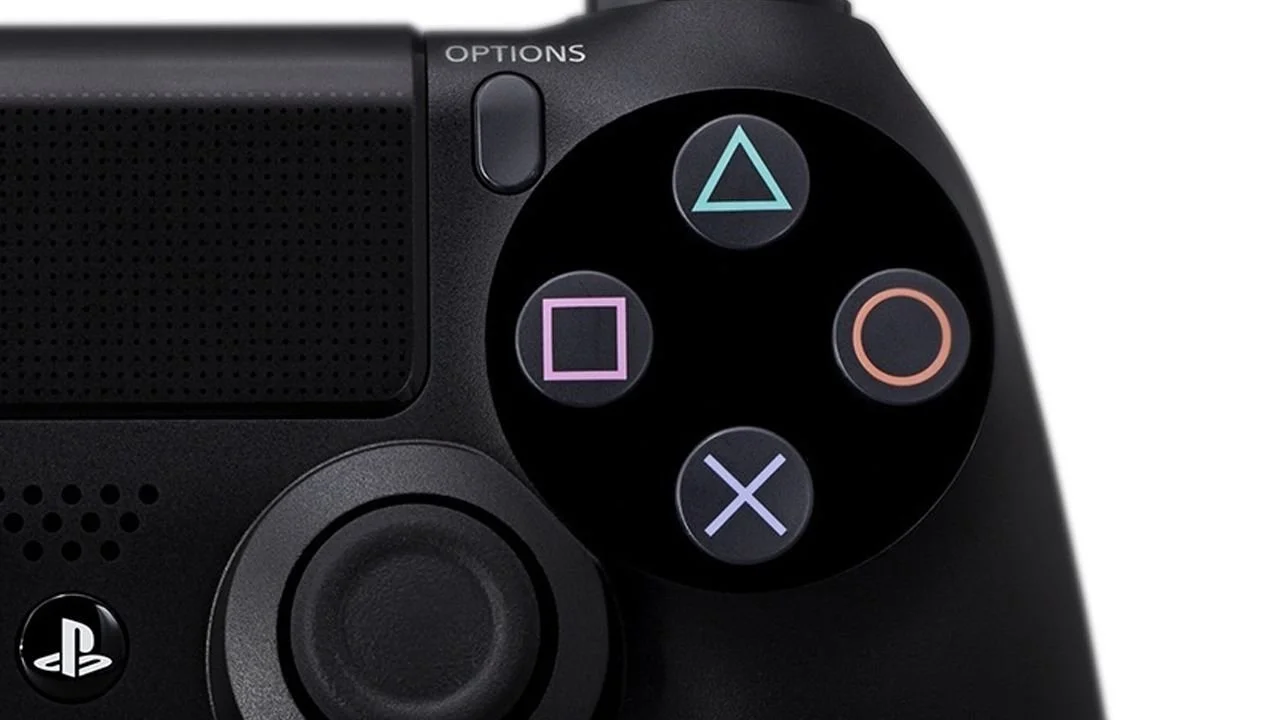
I grew up in Okinawa playing PlayStation. Mostly American games, but I had enough Japanese ones to figure out pretty fast that circle meant yes in one and X meant yes in the other. Same controller. Opposite logic.
The story gets told a lot as a fun trivia fact. "Did you know Japanese players use circle to confirm?" Yeah. But there's more going on underneath that, and the more you look at it the more it stops being trivia and starts being a 30-year case study in what happens when a designer's intention meets a market that wasn't paying attention.
Teiyu Goto Knew What He Was Doing
The original PlayStation controller was designed by Teiyu Goto in 1993. In an interview with Famitsu, he explained the logic behind all four symbols. Triangle refers to viewpoint. Square represents a piece of paper, meant to suggest menus or documents. Circle and X represent yes and no, in that order. The whole thing was a system with real meaning behind it, not a random assignment of shapes to functions.
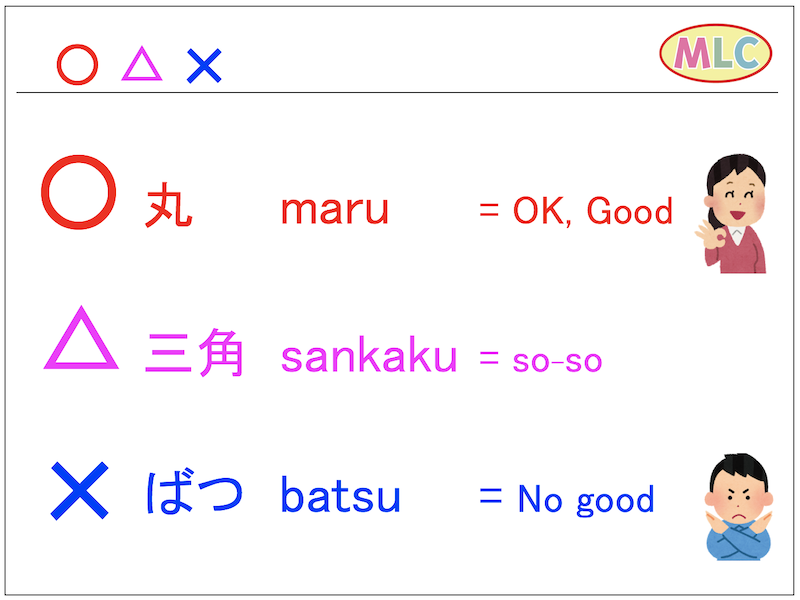
That's worth pausing on. Goto didn't just pick four shapes and hope players figured it out. He built meaning into the layout. The circle-for-yes logic tracks with Japanese visual culture, where the circle (maru) signals correctness and affirmation, and the cross (batsu) signals wrong or cancelled. Walk into any Japanese classroom and you'll see a teacher marking tests with exactly that shorthand. The X means no.
I mean, think about it from the other direction. Imagine you're a Japanese player and the game is asking you to press the mark that means "wrong" to say yes. Every single time. For years. That's the interface working against the gut understanding you already have.
The West Did What the West Does
When Western studios started developing for PlayStation in the mid-'90s, they didn't ask what the symbols were supposed to mean. They went with what felt familiar. The X, the cross, looked like a checkbox. Like a ballot. Like the thing you mark to select something. And so X became confirm in Western games, the exact opposite of what Goto intended.
The standards just hadn't been set yet. This was early game development, wild-west era, studios figuring things out in real time. Goto himself had drawn on Nintendo's A and B button convention as inspiration. Sony was originally going to work with Nintendo until Nintendo went with Philips instead, and we all know how that went for the Philips CD-i, my boy. The whole industry was still negotiating what the vocabulary even was.
The square button for menus is kinda the tell on how ad-hoc this all was. Goto's logic had square representing paper, documents, menus, which actually makes sense as a symbol. Who uses a square button for menus now? Nobody. It just didn't stick. The whole designed system got swapped for whatever felt obvious to the developer sitting in front of the screen in Redwood City or London or wherever.
See, that's the thing about localization. Translation means changing the words. Localization means changing the meaning so it actually lands for the people using it. A lot of those studios were doing translation when they needed to do localization. They looked at the controller, saw familiar shapes, and mapped those shapes onto their own cultural defaults. Goto's circle-for-yes was the localized design, already built in. The West just didn't read the memo.
Decades of Muscle Memory, One Console Generation to Undo It
By the time PlayStation had a few generations under its belt, you had two distinct player bases with damn near opposing muscle memory baked into the same hardware. Japanese players confirming with circle, Western players confirming with X, both of them absolutely certain they were right. And honestly, both of them were, in their context.
When Japanese games got localized for Western release, publishers would sometimes swap the controls to match Western expectations. Persona. Final Fantasy. Metal Gear. The confirmation buttons would get flipped so Western audiences felt at home. This happened enough that players importing Japanese games would hit the original layout and need a whole recalibration period, exactly what I did as a kid in Okinawa swapping between English and Japanese discs.
Sony let this run for 25 years. Two and a half decades of regional inconsistency in a product they manufactured and sold worldwide. Then with PlayStation 5 in 2020, they standardized the Western layout globally. X is confirm everywhere now. The Japanese internet had mixed feelings about that, as you'd expect. You're asking people to override 25 years of muscle memory. That's not a patch. That's a reprogramming.
For my money, the decision was probably right as a business call. A global product needs global consistency, and the Western market is too large to keep running a parallel version. But there's something worth sitting with in the fact that the "global standard" they chose was the regional variant that ignored the designer's original intent. The circle-and-X logic was built on real cultural grounding. The Western X-for-confirm was an accident of familiarity. The accident won.
What This Actually Means for Anyone Building Products
The hardest part of global product design is figuring out which of your assumptions are even cultural in the first place. Most people don't know which of their instincts are universal and which are just local. The X-for-confirm assumption was local. Western developers in 1995 had no reason to believe otherwise.
The checkbox history backs this up. Digital checkboxes used X marks through the '80s. By the late '90s, most major software companies had switched to checkmarks instead, specifically because the X was ambiguous across cultural contexts. The software industry caught this and changed course. Game development ran the same experiment for 25 more years.
The questions this raises aren't new, but they're worth taking seriously every time you're building for a global audience. How does a symbol read in contexts you didn't design for? What assumptions are baked into your defaults that users in another market will have to fight against? When you localize, are you actually localizing, or just changing the words and leaving everything else the same?
These aren't theoretical questions. The entire logic of "tap here to confirm" has to actually map to how users understand a confirmation gesture. Get that wrong and you don't just lose clarity, you lose trust. A financial product where the confirm action feels wrong is a product people will abandon.
Goto had the right answer in 1993. The market voted differently. The PS5 made it official. The most thoughtful solution doesn't automatically win; the most familiar one does. How you feel about that probably depends on whether you were the designer or the developer sitting in Redwood City in 1995 going with what felt obvious.