

Sylvia Harris Knew Bad Design Was a Political Act
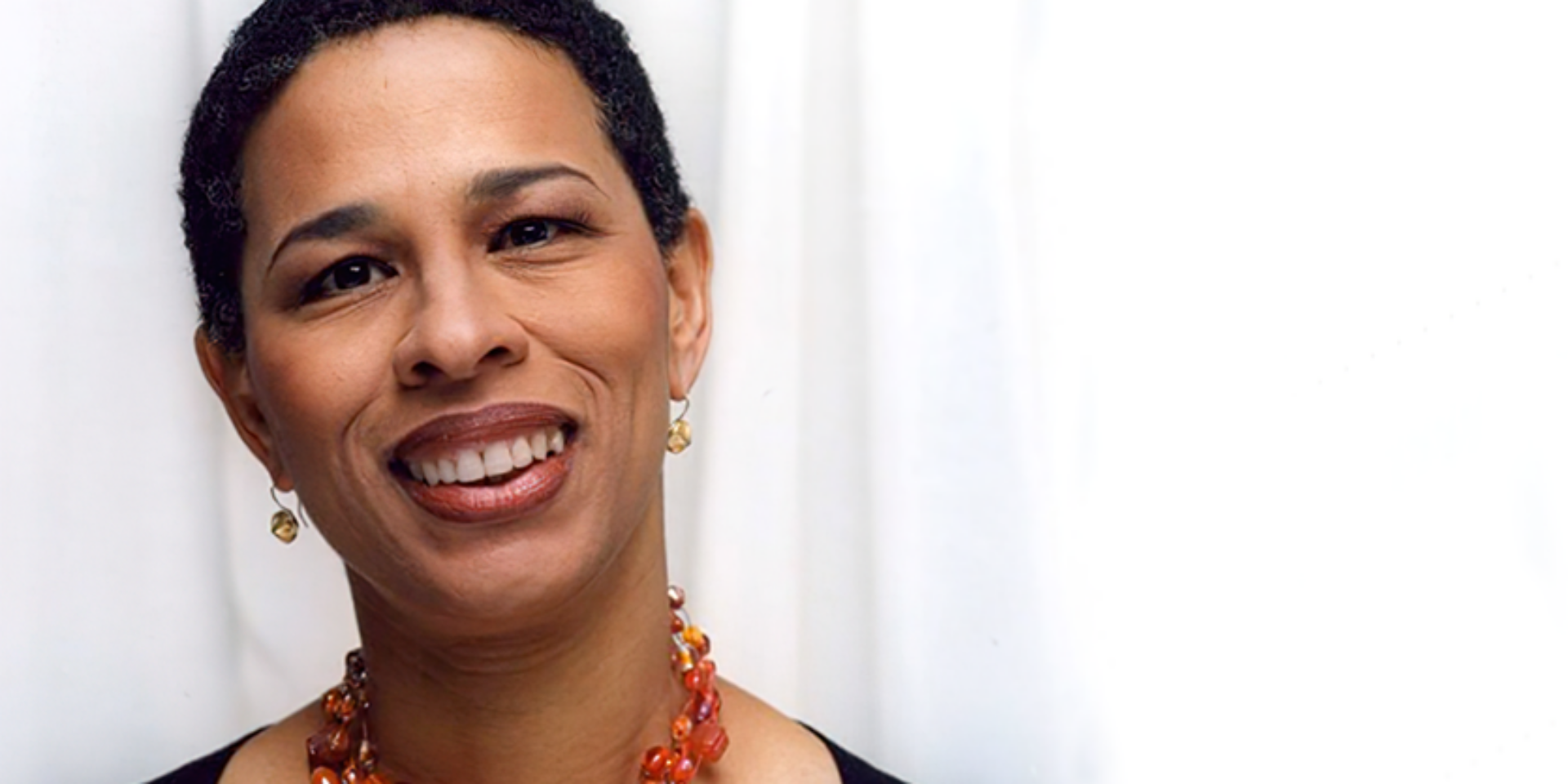
I've stared at enough government forms to convince myself they're designed by people who hate me personally. The Medicare notices in seven-point font. The Census questions that send you back to where you started. The hospital lobby where all the signs contradict each other. I wrote this off as bureaucratic incompetence. Sylvia Harris saw a system doing exactly what it was built to do.
Richmond, Virginia already tells you something. Harris was born there in 1953, grew up watching Jim Crow transition into a Civil Rights era that Virginia actively resisted. The state was still fighting full integration when she graduated from John Marshall High School in 1971. Her mother, an art teacher and practicing artist, had a particular way of responding to the Klan when they paraded: she shouted at them. From the street. Her daughter was watching.
Harris pulled from that childhood a lifelong belief in social justice and how design can open or close access to public life. Her father Thomas "Tricky Tom" Harris ran the women's basketball program at Virginia Union University, and that was part of the education too. Some systems are built to include. Some are built to exclude. The design is never neutral. I've thought about that a lot.
When the ATM Said "How Can I Help You?"

She earned a BFA in Communication Art and Design at Virginia Commonwealth University under Philip Meggs, an AIGA Medalist who wrote A History of Graphic Design. After graduating in 1975, Harris moved to Boston, worked at WGBH-TV and The Architects Collaborative. Both jobs shifted her from designing discrete objects toward systems citizens actually navigate. Chris Pullman, an AIGA Medalist at WGBH-TV, pushed her toward an MFA at Yale's School of Art. Graduated 1980. Then co-founded Two Twelve Associates with classmates David Gibson and Juanita Dugdale. The name came from 212 York Street, the Yale design studios address. Either charmingly literal or exactly what you land on when you're fresh out of school and ready to work.
Two Twelve's most significant early work was the user interface for Citibank's first ATMs. In the 1980s, designing banking infrastructure to speak like a person, to greet someone with dignity, wasn't a given. Valerie Fenster collaborated with Harris on the project. They introduced touch screens, braille, and a "personal human voice" greeting: "How can I help you?" That sentence changed the relationship between person and machine through a deliberate choice about whose experience mattered. I find that worth sitting with: a bank, in the 1980s, asking if it could help you.
The Census Problem Was Always a Design Problem
During her fourteen years at Two Twelve, Harris coined and popularized "public information design," the idea that public services (hospitals, banks, transit) owe citizens "efficient, effective and respectful" communication. I use that term without always knowing it came from her.
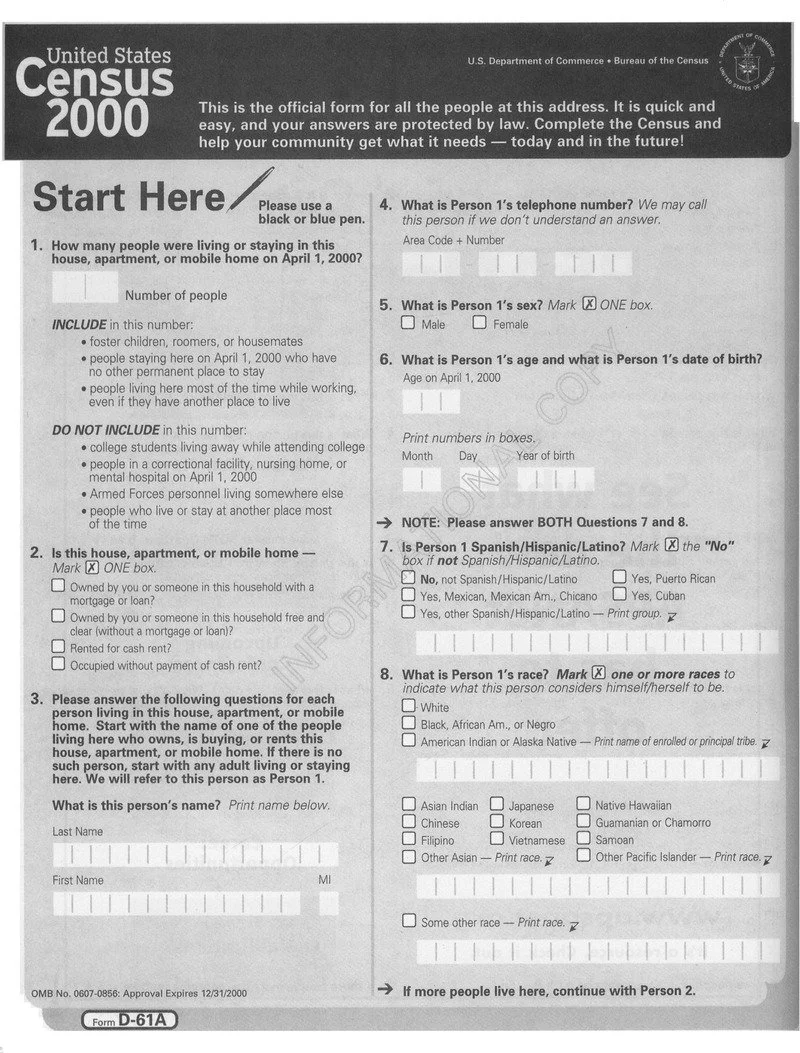
In 1993, the Census Bureau hired her as Creative Director to redesign the 2000 Census forms. The problem: participation was declining, especially among historically underrepresented groups who found them confusing or intrusive. Harris approached it as a user experience problem, leading a multidisciplinary team including Yale graduate students and researcher Don Dillman. The redesign focused on accessibility, hierarchy, and plain language across different populations. Result: a two-percentage-point increase in response rates over 1990.
Two percent. That's millions of people suddenly getting counted. A form redesign, for my money, is one of the most consequential pieces of work in American graphic design history.
This is what most design conversations miss. Harris treated civic design as what mattered most. If you're designing a Medicare notice or Census form or ATM interface, you're designing for people in consequential moments. People who need the information correct and clear and accessible, with no margin for error. Get it wrong and consequences are real. Getting it right, they're real too. Just the good kind.
What the Crooked Room Actually Looked Like
Harris was a Black woman in a profession white male perspectives dominated. Designer Sela Lewis had a name for that: the "crooked room." Lewis wrote in 2020 about colleagues memorializing Harris through "cappuccino skin" or her "big, hearty laugh," observations that "only saw her through the crooked room of race and gender. They didn't see the pleasure she took in her work." I've read that more than once. Sharp criticism.
Harris didn't wait for others to name the problem. In 1996, she published "Searching for a Black Aesthetic in American Graphic Design," arguing that the profession's lack of racial diversity prevented documenting African Americans' aesthetic contributions. She called for a "fresh look at graphic design history" beyond "Western and European 'elite' designers" to find the unique visual vernacular of her people.
She was on the AIGA National Board at the time, running a consulting practice, and used that platform to say the field had been broken since the beginning. That's a smarter play than most people make when they get there.
The Citizen Designer
In 1994, Harris left Two Twelve to establish Sylvia Harris LLC, a strategic advisory practice. She guided major institutions (hospitals, universities, federal bureaus) through systems planning and innovation. She taught at Yale, School of Visual Arts, Cooper Union, and Purchase College, introducing Yale's first graduate course in information design. For many Black women designers, Harris was the only visible model of success at the highest levels of design strategy.
A 2001 wayfinding project for Columbia Medical Center became what she called an "information master plan" to help patients navigate without getting lost. Her Design Trust fellowship (2006–2010) focused on urban space and public accessibility. I find that range remarkable: hospital lobbies, census forms, city streets.
In 2011, she rebranded to Citizen Research & Design and co-founded the Public Policy Lab with David Gibson and Chelsea Mauldin, dedicated to "more effective delivery of public services." The Medicare Summary Notice redesign is the most under-discussed project. The team conducted 160 hours of user interviews across 15 cities and found the existing notices looked professional but were inconsistent and complex, leaving beneficiaries "lost in the Medicare process." The redesign included a central dashboard for critical information and fraud protection. Thirty-five million seniors got a paper they could actually read. It began rolling out in 2013 and won awards for clarity and plain language.
Think about the span: a Citibank ATM in the 1980s to a Medicare notice in 2011. Same argument the whole way through. The people who need information most are the ones most likely to be failed by how it's presented. That failure has a direction. Bad design falls hardest on people with the least ability to compensate.
She Died in a Meeting About Postage Stamps
On July 24, 2011, Harris collapsed during a Citizens' Stamp Advisory Committee meeting in Washington, D.C. Heart failure. She was 57, still working, advising the U.S. Postal Service on which pieces of American history belonged on stamps. More than 20 family and friends surrounded her at George Washington University Hospital when she passed. Still working at 57 on a postage stamp committee. I don't know a more Harris way to go out.
AIGA gave her their Medal posthumously in 2014, recognizing her "unerring commitment to using design to improve the civic experience." The Society for Experiential Graphic Design named her their first posthumous fellow in 2021. AIGA established the Sylvia Harris Citizen Design Award in 2012, presented annually to designers who enhance public life through community impact. That's the right kind of legacy.
The term "Citizen Designer," which she coined and defined as a professional dedicated to "good design for the common good," became central to social design education. I find it hard to separate from where she started: designers now work inside a framework she built while watching her mother shout at the Klan on a Richmond street.
The girl who grew up in a state still resisting her full integration into public life went on to redesign the instruments of democratic participation. She did it through Census forms and ATM interfaces and hospital wayfinding and Medicare notices. Through typefaces and hierarchy and the placement of a question on a page.
That's just what happened. Damn, I still miss someone I never got to meet.